
Why Your Storage Isn't Working: Common issues and easy fixes
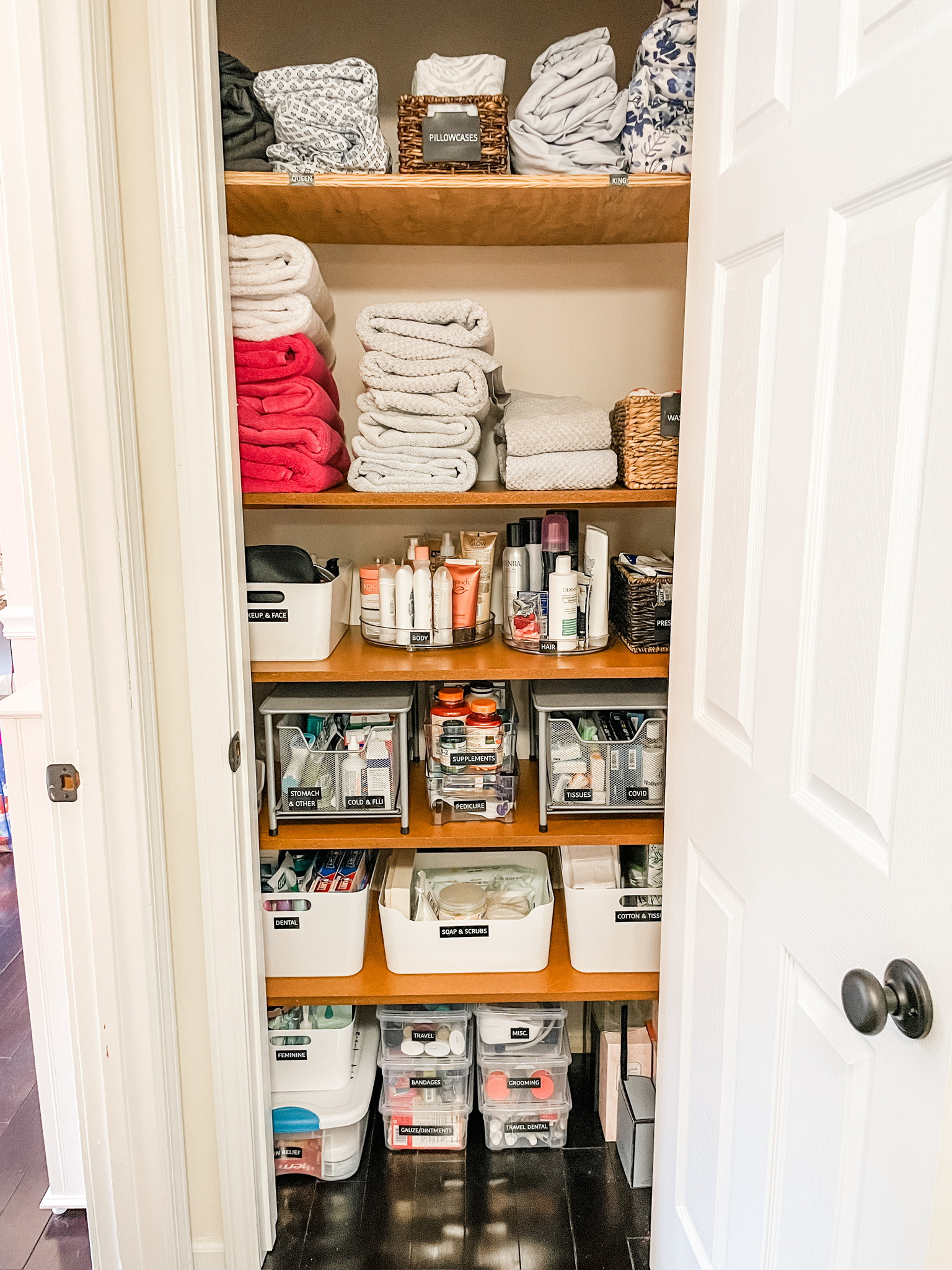
If you're constantly buying storage products but still can't find what you need, the problem may not be how much storage you have. It may be that the storage is not functioning properly.
We often hear during consultations:
"We have plenty of storage. I don't understand why this space still doesn't work."
And they're usually right.
Many homes have closets, cabinets, basements, garages, mudrooms, and pantries with plenty of space on paper.
Yet people are still digging through cabinets, buying duplicates, and leaving things on the counter because putting them away feels like too much effort.
The reason is simple: good storage isn't just about available space. It needs to make your belongings easy to see, reach, and use.
When any of those pieces breaks down, even a large storage space can feel frustrating.
Problem #1: You Can't See What You Have
Storage often stops working when items disappear from view.
The back of a pantry shelf, the top of a closet, the bottom of a toy bin, or the cabinet above the refrigerator can quickly become a storage black hole. Things get put away with good intentions, then vanish from everyday life.
Months later, you're buying another bottle of olive oil, another pack of batteries, or another roll of tape because you forgot you already had one.
Visibility plays a major role in how well a space functions. When you can see what you own at a glance, you're more likely to use it, keep track of it, and avoid buying duplicates.
We've all uncovered:
- Duplicate cleaning products
- Extra spices and pantry staples
- Forgotten craft, holiday, or household supplies
That is why we pay close attention to sight lines, categories, labels, and container depth when organizing a home. A few thoughtful adjustments can make a space much easier to use.
Problem #2: You Can't Easily Access What You Need
A storage system only works if it's easy to use.
Think about the areas of your home that collect clutter again and again. Often, people know exactly where things belong. The problem is that putting them away takes too much effort.
If your kids need a stool, have to move several items, and wrestle with a heavy bin every time they want a snack, those snack boxes are probably going to end up on the counter.
If you have to pull out several appliances just to reach your blender, you may start leaving it out instead.
This isn't laziness. It's what happens when a system creates too much friction during busy mornings, hectic evenings, and everyday family life.
The items you use most often should also be the easiest to reach. When storage supports your routines, it's much more likely to stay organized.
Problem #3: Your Layout Doesn't Match Your Habits
Many homes are organized around where things fit rather than where they're actually used.
Look at the clutter hotspots in your home: shoes collecting by the door, backpacks landing on the kitchen floor, or mail piling up on the island.
These patterns aren't necessarily signs that your family is careless. They may be clues that your storage isn't located where you naturally need it.
During organizing projects, we pay close attention to how people move through a space. Where does your family enter the home? Where do items tend to land? What do you reach for every day?
Clutter can be useful information. It often points to a missing system or a storage solution that is too far removed from your daily routine.
The most effective organizing systems work with your habits, not against them. When everything has a practical home, keeping your space organized becomes much easier.
Problem #4: Everything is Hidden Behind Something Else
Sometimes items are technically stored, but getting to them takes too much effort.
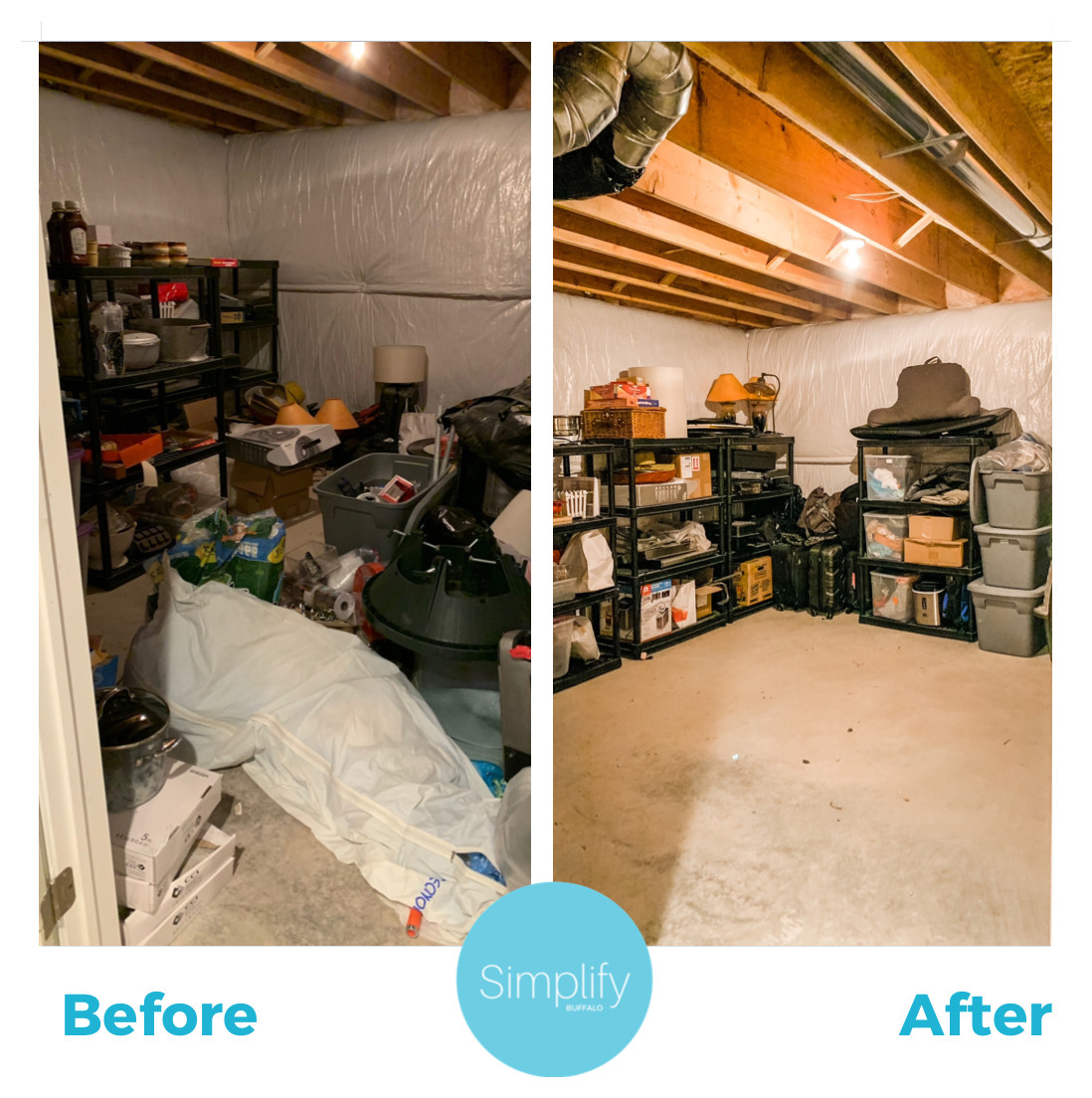
We see this in cabinets stacked several layers deep, closets with bins blocking other bins, and shelves packed from floor to ceiling.
These spaces may hold a lot, but they can be frustrating to use and even harder to maintain.
If you have to move five things to reach one item, you're less likely to put everything back afterward. Over time, that extra effort creates clutter.
This is where tools like pull-out bins, turntables, vertical dividers, and drawer organizers can make a real difference.
They aren't helpful just because they look nice. They reduce the number of steps it takes to find and put away what you need.
The fewer obstacles a storage system creates, the easier it is to keep the space functioning well.
Problem #5: You're Storing Air in Some Places and Crowding Others
Sometimes one area feels packed while nearby storage space is barely being used.
A pantry may be overflowing while a kitchen cabinet sits half-empty.
A front hall closet may be crammed with coats and bags while another closet has room to spare.
Seasonal items may be taking over the garage even though there is space elsewhere in the home.
This is why we don't always look at storage one room at a time. Sometimes the best solution for an overcrowded space is to move certain items somewhere else entirely.
Before adding more shelves, cabinets, or bins, take a step back and look at the storage you already have.
You may not need more space. You may just need to use it differently.
The Best Storage Systems Feel Effortless
A well-organized home isn't one where every available inch has been filled. It's one where daily life feels easier.
You can find the tape without emptying a drawer. The kids know where their backpacks belong. Putting away groceries doesn't require rearranging the pantry every week. The systems quietly do their job without demanding constant attention.
That is the difference between a home that simply has storage and a home with storage that works.
At Simplify Buffalo, we help clients take a step back and see the bigger picture. Sometimes the solution is a better container.
Sometimes it's moving a category to a completely different room. And sometimes it's realizing that the problem isn't a lack of space at all.
The goal is to create systems that feel natural to use on an ordinary Tuesday morning, not just systems that photograph beautifully on the day a project is finished.
Because a truly organized home should make life lighter, not give you one more thing to maintain.