
Why Can’t I Ever Finish Decluttering My Home? 5 Hidden Barriers (And How to Conquer Them)
You know that feeling when you swear you've been decluttering your home for months, maybe even years, and yet somehow the house still feels... full?
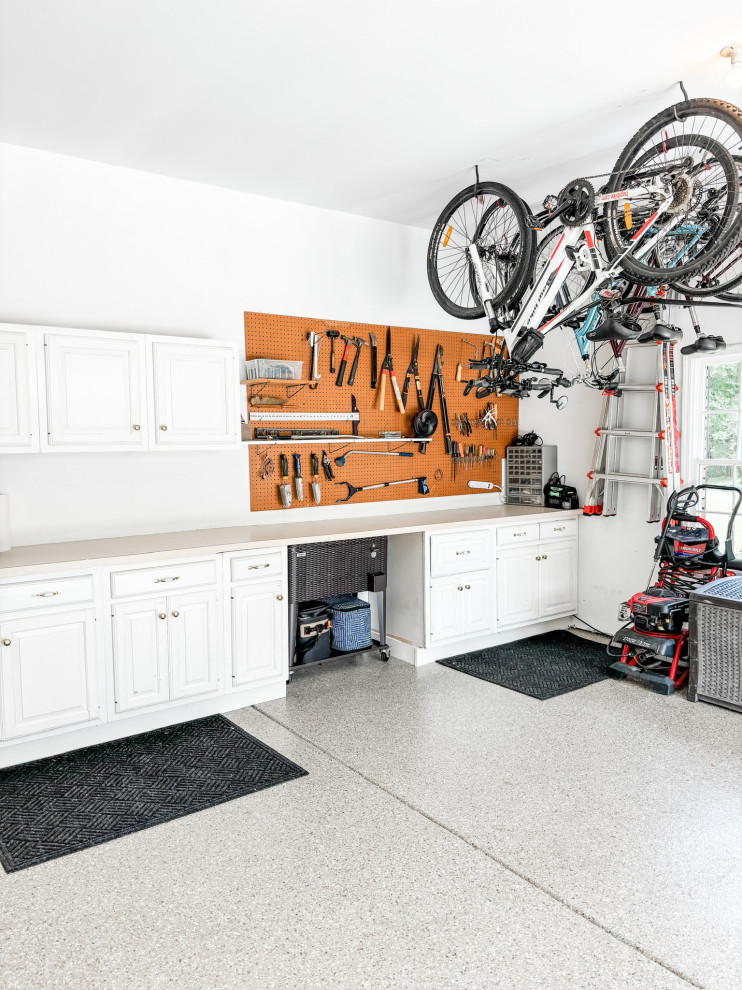
You emptied the garage out before winter.
You donated bags of clothes in January.
You organized the pantry before spring break.
You cleaned out the toy room before summer started.
Yet somehow the papers are multiplying on the counter again, random cords are breeding in drawers, and the basement still feels like a giant "deal with later" project.
If you've ever found yourself asking, "Why can't I ever finish decluttering my home?"
You're not lazy, disorganized, or bad at making decisions.
Here's the reality: most people are trying to solve a clutter problem when they're actually dealing with hidden barriers that keep recreating clutter in the first place.
As professional organizers working with busy families and homeowners across Buffalo and Western New York, we consistently observe the same patterns.
The good news is that once you identify the real obstacle, decluttering starts feeling much lighter.
Let's explore five hidden barriers and practical ways to overcome them.
Hidden Barrier #1: You're Waiting for a "Finished" Feeling
Many people think decluttering has a finish line.
They picture reaching a magical moment where everything has a home, every drawer stays perfect, and no new clutter enters the house.
Unfortunately, real life tends to have opinions about that.
Kids start sports. Holidays happen. School papers arrive. Amazon packages appear. Someone brings home a giant stuffed animal from the fair.
Homes are active spaces, not museum exhibits.
Habit #1: Create "maintenance zones," not permanent perfection
Instead of expecting every area to stay perfect, identify the places designed to collect incoming life.
Examples:
- A basket for school papers is waiting for action
- One shelf in the pantry for bulk Costco extras
- A designated "returns" bin near the door
- A temporary basket for birthday gifts that need wrapping
- When homes lack controlled landing zones, clutter creates its own.
Hidden Barrier #2: You're Making Hundreds of Tiny Decisions at Once
Decision fatigue is real.
You sit down to declutter one drawer, and suddenly you're asking:
"Do I keep this charger?"
"Whose sunglasses are these?"
"Do I still need this?"
"Wait... what device even used this cord?"
Forty minutes later, you're holding an old iPhone case and somehow scrolling through your phone.
Your brain gets tired long before your closet does.
Habit #2: Sort first. Decide second.
This sounds simple, but it changes everything.
Instead of deciding item by item:
First pass:
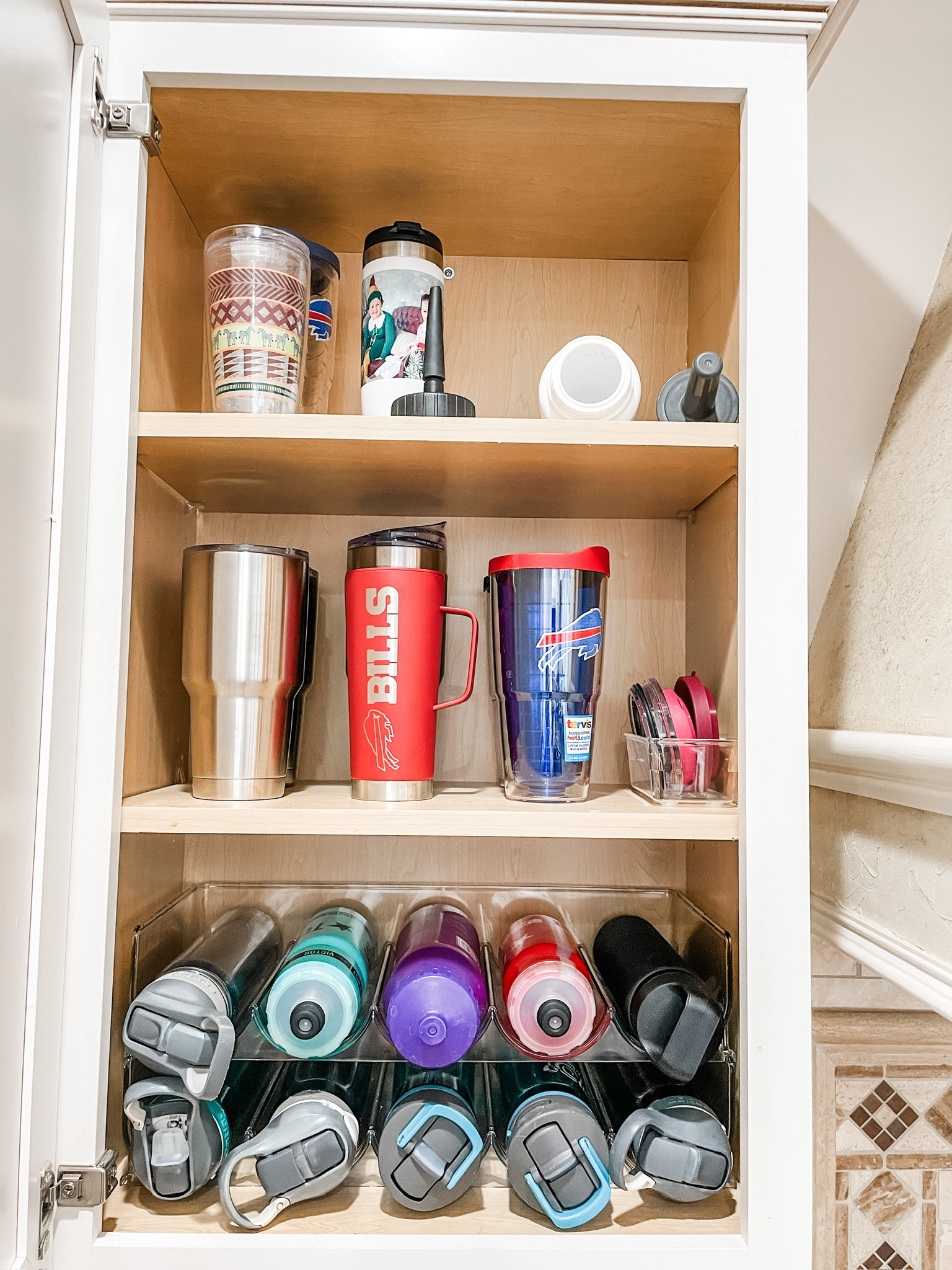
- Gather all water bottles
- Gather all batteries
- Gather all travel mugs
- Gather all random charging cords
Second pass:
Make decisions after seeing the full quantity.
Seeing twelve travel mugs together feels very different than finding them one at a time over six weeks.
Hidden Barrier #3: You're Decluttering During Peak Chaos Hours
This one sneaks up on people.
Many parents try tackling clutter at exactly the worst possible time:
- Right after work
- During dinner prep
- During sports pickup chaos
- While children are asking seventeen questions per minute
Then they think they lack motivation.
You probably don't lack motivation. You may simply be fighting bad timing.
Habit #3: Match the task to your energy level
High-focus tasks:
- Sentimental items
- Kid's keepsakes
- Photos
- Clothing decisions
Low-focus tasks:
- Expired pantry items
- Empty boxes
- Broken toys
- Duplicate kitchen tools
On nights when you're mentally fried after driving across Buffalo for soccer practice and activities, save yourself from making emotional decisions.
Choose low-energy wins.
You still move forward without draining yourself.
Hidden Barrier #4: You Have Invisible Clutter Sources
Most clutter doesn't appear randomly.
It usually enters through predictable channels.
Examples:
- Kids bringing home school papers
- Sports gear accumulating by the doors
- Target impulse purchases
- Free promotional items
- Mail piles
- Holiday decorations
- Bulk shopping trips
People often focus only on removing clutter without noticing where it's entering.
Habit #4: Track your clutter "repeat offenders."
For one week, pay attention anytime something lands on a counter or floor.
Ask:
Where did this come from?
You may discover:
- Mail creates 80% of your paper piles
- Sports equipment takes over the mudroom
- Kids' artwork has no destination
- Grocery overbuying overwhelms cabinets
This tiny exercise often creates surprising clarity.
You cannot fix what you cannot see.
Hidden Barrier #5: You're Treating Every Item Like a Memory
This one especially shows up with families.
Baby clothes.
Kids' artwork.
Vacation souvenirs.
Random little objects that technically aren't important but still make you pause.
Not everything feels deeply sentimental, but enough things carry tiny emotional attachments that progress slows to a crawl.
Habit #5: Separate the memory from the object
Ask yourself:
What am I actually trying to preserve?
Sometimes it's...
- The memory
- The story
- The milestone
- The feeling
Not necessarily the object itself.
Examples:
- Photograph children's artwork before keeping every piece
- Keep one vacation ornament instead of fifteen souvenirs
- Save a meaningful baby outfit rather than six bins of clothes
This approach often feels less like losing something and more like preserving it differently.
So, Why Can't I Ever Finish Decluttering My Home?
If you've been asking yourself, "Why can't I ever finish decluttering my home?" the answer probably isn't that you need more motivation, more bins, or another weekend cleaning spree.
Most people aren't failing at decluttering.
They're repeatedly running into invisible barriers that make progress harder than it needs to be.
Once you stop expecting perfection, reduce decision fatigue, work with your energy, identify clutter sources, and separate memories from objects, your home starts feeling easier to maintain.
For families throughout Buffalo and Western New York, decluttering is rarely about getting rid of everything.
It's about creating a home that can keep up with real life.
And real life tends to be beautifully messy.