
What Does It Take to Organize 17,000+ Family Photos?
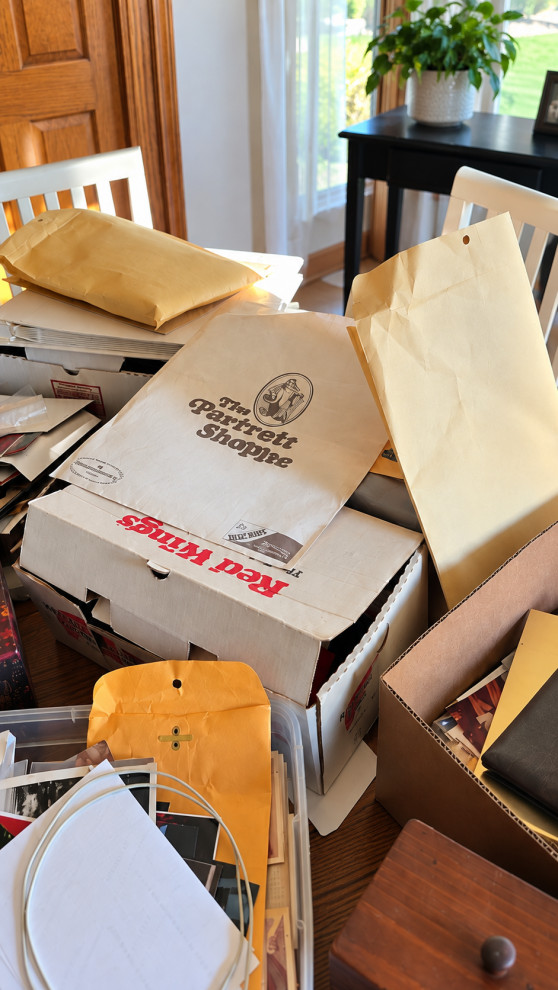
One family. Decades of memories. More than 17,000 photographs scattered across albums, boxes, frames, phones, computers, discs, drives and memory cards.
This was one of those projects that perfectly illustrates why photo organizing is about so much more than scanning pictures.
When we picked up this collection from a client in Rochester NY, we knew immediately that it was a significant project.
There were dozens of photo albums, numerous framed photographs, bins filled with loose pictures and negatives, keepsakes and a recipe box.
But that was only the beginning.
The family's digital memories were scattered across iPhones, iPads, a Kindle, a laptop, an external hard drive, USB drives, camera cards, CDs and DVDs.
Altogether, the collection represented more than 17,000 images — and decades of one family's history.
First, We Had to Bring Everything Together
One of the biggest challenges families face today is that their photographs aren't necessarily in one place.
Older generations may have prints, negatives and albums. Then came CDs and DVDs. After that came digital cameras and memory cards, external hard drives and USB drives.
Today, thousands of photographs may live on phones, tablets and computers.
This family had a little bit of everything.
Before we could create an organized collection, we first had to uncover what was there.
Printed photographs were removed from frames and albums and sorted. The frames were saved to be returned to the family, while the empty albums were discarded with the client's approval.
Then we began digitizing.
6,150 Printed Photographs Scanned
We scanned a total of 6,150 printed photographs.
But this wasn't simply a matter of feeding thousands of photographs through a scanner.
Approximately 50% of the collection had to be scanned individually because of the age, size or condition of the photographs.
That meant carefully handling thousands of irreplaceable family photographs one at a time.
Whenever important information was written on the back of a photograph—names, dates, locations or other details—that information was captured as well.
Because sometimes what's written on the back of an old photograph is every bit as valuable as the photograph itself.
Thousands More Photos Were Hiding on Old Technology
The next challenge was retrieving the family's digital photographs.
We recovered:
- 474 images from camera cards
- 923 images from CDs and DVDs
- 1,325 images from USB drives
- 32 images from an external Passport hard drive
- 2,253 files from one iPhone
- 4,368 photos and albums from one laptop
Another phone contained the same photographs as the first, helping us avoid creating an unnecessary duplicate collection.
One iPad couldn't be accessed because the password was unavailable — another important reminder of why dealing with older devices sooner rather than later can be so important.
By the time the printed and digital collections were brought together, we were working with more than 17,000 family photographs and files.
Digitizing Was Only Half the Job
Scanning thousands of photographs isn't the same thing as organizing them.
The goal wasn't to hand the family a drive containing thousands of randomly numbered image files.
The goal was to create a collection they could actually find, understand and enjoy.
Scanned photographs were organized chronologically whenever dates were available.
When dates couldn't be determined, photographs were organized by category.
The physical photographs were organized using the same system so the printed and digital collections made sense together.
Protecting the Originals Matters, Too
Digitization creates an important backup, but original photographs still deserve proper care.
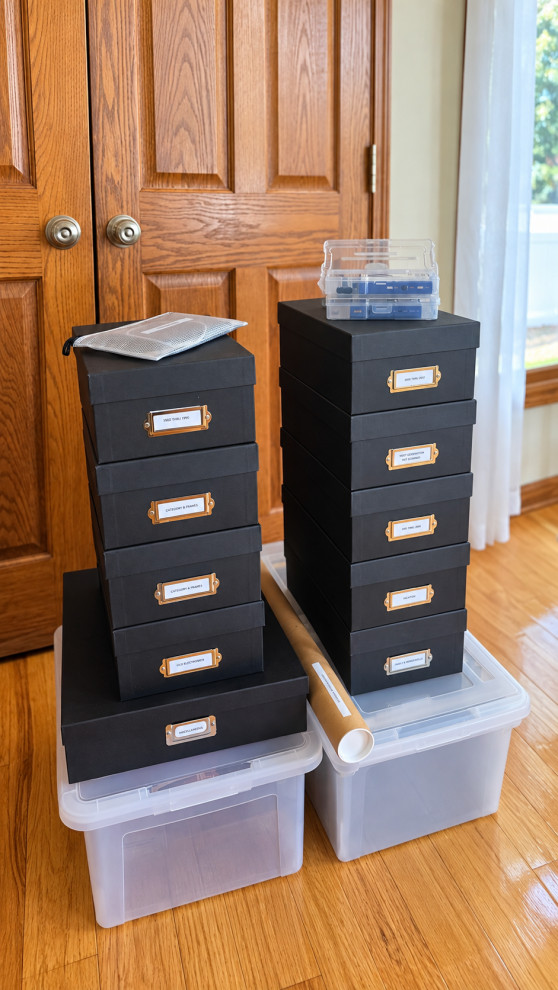
Fragile and damaged photographs were placed into protective glassine envelopes.
Printed photographs were placed into archival envelopes and labeled to correspond with the organization of the digital collection.
Negatives were preserved in archival photo storage.
Photographs that weren't selected for scanning were placed separately for the family to review rather than making assumptions about what they might want to keep.
The result was not only a digital transformation but a physical one as well.
What began as photographs scattered through frames, albums, boxes and bins became a clearly labeled and organized archival collection.
And Then We Created the Backups
There is one step in a project like this that should never be overlooked:
Backup.
At the family's request, the completed, organized digital collection was copied onto two USB drives—one for each brother.
Now, instead of one collection existing in one place, both brothers have access to their family's organized digital history.
More Than 17,000 Photos—But It's Really About the People
It's easy to focus on the numbers.
17,000+ images.
6,150 printed photographs were scanned.
Thousands of digital images recovered.
Those numbers are impressive, but they're not really what made this project special.
Every one of those photographs represents something.
A childhood.
A wedding.
A holiday.
Someone's parents or grandparents.
A home that may no longer exist.
People who may no longer be here to tell us who is in the photograph.
Tiny moments that probably seemed ordinary when someone pressed the shutter — but decades later have become part of a family's history.
That's why we do this work.
Photo organizing isn't simply about getting pictures out of boxes or clearing photographs off an old phone.
It's about taking a family's scattered memories and turning them into a family legacy that can actually be found, enjoyed, shared and passed down.
For this family, more than 17,000 memories are no longer scattered across boxes, albums, and aging technology.
They're organized.
They're digitized.
They're protected.
They're backed up.
And most importantly, they're ready for the next generation.
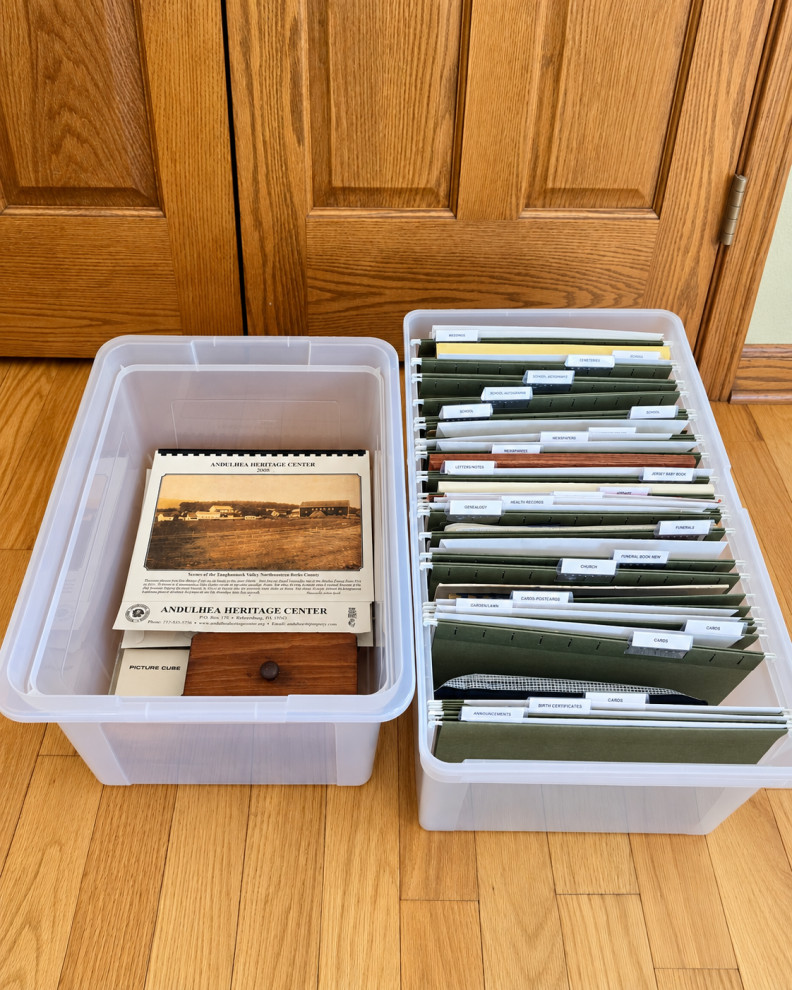
Is Your Family's Photo Collection Becoming Overwhelming?
If your photographs are spread across boxes, albums, old phones, computers, USB drives, CDs, memory cards, and external hard drives, you don't have to figure it all out yourself.
Simplify Buffalo Photo Organizing helps families organize, digitize, and preserve their photographs so their memories aren't just stored—they're accessible and protected for generations to come.