
The Ultimate Room-by-Room Decluttering Guide (Buffalo Edition)
There’s something about this time of year in Western New York—when the snow finally melts, and the light starts coming back—that makes you really notice your home again.
Not in a “tear everything apart” kind of way… more like a “why does this space feel heavier than it should?” kind of way.
If you’re not sure where to start, a simple how to start decluttering your home approach can help you avoid overwhelm and build momentum right away.
The good news? You don’t need a full weekend (or a full personality change) to make progress. A few focused resets in the right areas can make your home feel lighter, calmer, and way more functional.
Here’s simple room-by-room guidelines to help you get there.
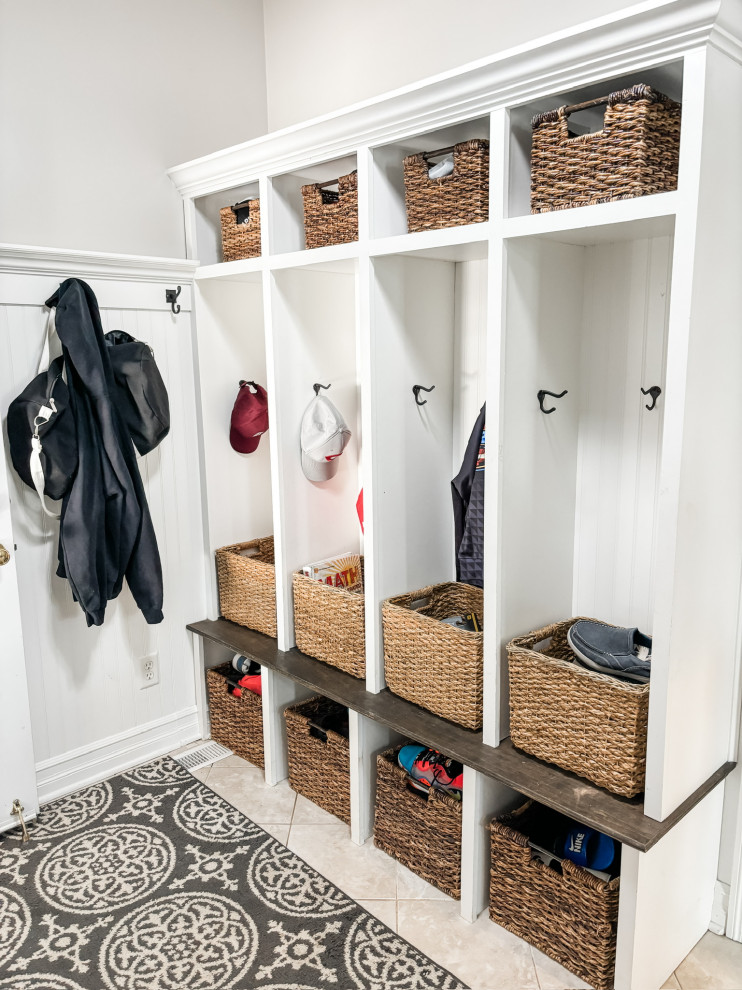
Entryway / Mudroom: Keep It a Functional Drop Zone
In Buffalo homes, the entryway does a lot of heavy lifting—but it’s not meant to store everything you own. Its job is simple: make coming and going easier.
If it feels cluttered, it’s usually holding too much or the wrong things for the current season. I often find this space becomes my default “drop zone,” where I set things down on the way in or out—until it quietly turns into a catch-all for things that don’t actually belong there.
What Belongs Here
- Items used regularly (coats, shoes, bags)
- What supports your current routine—not “just in case” items
- A limited number per person (1–2 coats, 1–2 pairs of shoes)
Adjust for the Season
In Western New York, your entryway should shift with the weather. Think of it as a rotating space—only what you’re actively using right now earns a spot near the door. If it’s not part of your current routine, it’s just adding friction to your day.
Keep:
- Lightweight jackets or rain gear
- Everyday shoes
- Current sports or activity items
Relocate:
- Heavy winter coats
- Snow gear and extra accessories like snow brushes or boot warmers (finally 🤩)
- Backup items you’re not using
Quick Reset Plan
Start by clearing everything out so you can reset the space, then sort items into three simple categories: keep, relocate, or remove.
Create easy-to-maintain zones using hooks, bins, or baskets, and set limits per person to keep the space from overflowing again.
Kitchen: Simplify Your Everyday Work Zones
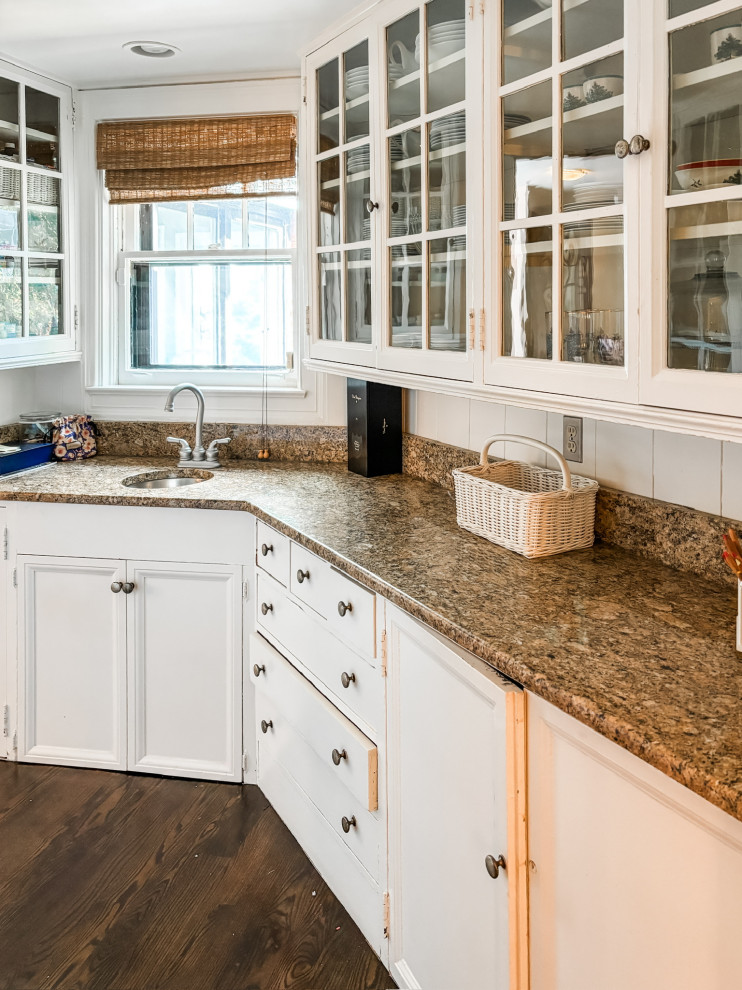
Your kitchen doesn’t need to look perfect—it needs to work. If it feels frustrating to cook or clean, clutter is usually getting in the way.
Focus on making your most-used areas easier to access and maintain.
What Belongs Here
- Items you use weekly (or more)
- Tools that support how you actually cook
- A manageable number of essentials (not duplicates of everything)
Adjust for the Season
Your kitchen should reflect how you’re living right now, not every possible scenario. Now that the holiday season is behind us, it’s a good time to reset and focus on what you actually use day to day.
Pack away the extra dishes, plastic utensils, and decorative items that were helpful for hosting but are now taking up valuable space—your kitchen should support everyday cooking, not occasional events.
Keep what supports your current habits and meals within reach, and let everything else take a step back until you actually need it.
Keep:
- Everyday dishes and cookware
- Frequently used small appliances
- Current go-to pantry items
Relocate:
- Specialty appliances you rarely use
- Bulk or overflow pantry items
- Entertaining pieces not used regularly
Quick Reset Plan
Start with one drawer or cabinet, so the process remains manageable. Then, remove duplicates and those “just in case” items you don’t actually use. Group what’s left based on how you use it, and keep your most-used items within easy reach to make everyday tasks simpler.
Living Room: Reduce Visual Clutter
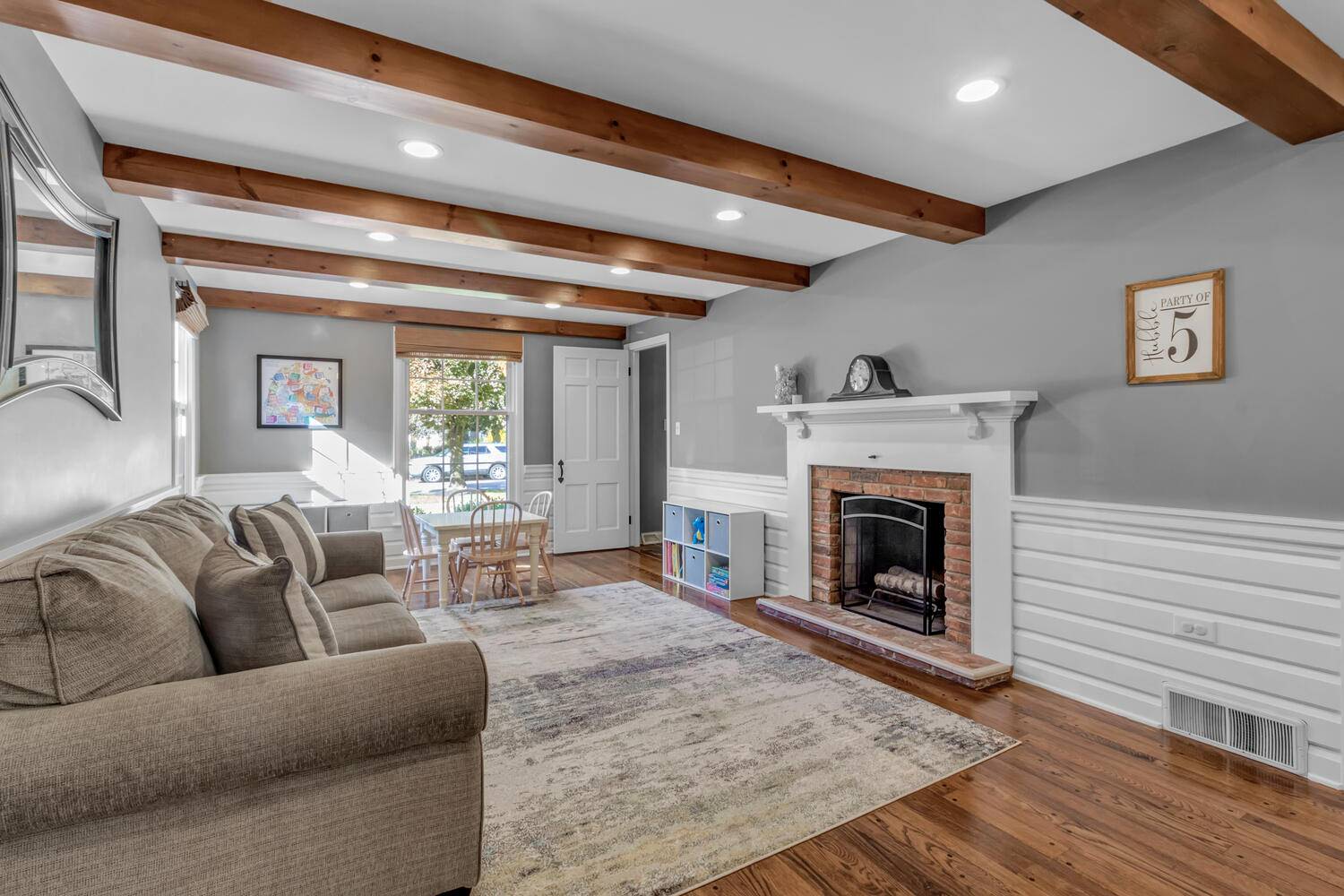
This space tends to collect everything, and visual clutter builds quickly here. The goal isn’t to have less—it’s to have less out.
The living room is a dynamic space, so some level of clutter throughout the day is completely normal—it means your home is being lived in. The key is not letting that clutter build into stress, which is why a quick end-of-day reset can make all the difference—so you wake up to a fresh space (and yes, plenty of room for the kids to make a whole new mess).
A few small changes can make the entire room feel calmer.
What Belongs Here
- Items you use daily (remotes, blankets, books)
- A few intentional decor pieces
- Functional storage for shared items
Adjust for the Season
As the seasons change, so does how you use this space. Keep it aligned with your current lifestyle—lighter, simpler, and easier to maintain—so it feels like a place to relax, not manage.
Keep:
- Lightweight blankets or current-use items
- Decor that reflects the current season
Relocate:
- Heavy throws or winter-specific decor
- Items that migrated here from other rooms
Quick Reset Plan
Start by clearing off all surfaces to reset the space, then be intentional about limiting what stays out to just a few essentials. Use a basket or bin to contain everyday items, and do a quick daily reset to keep things from building back up.
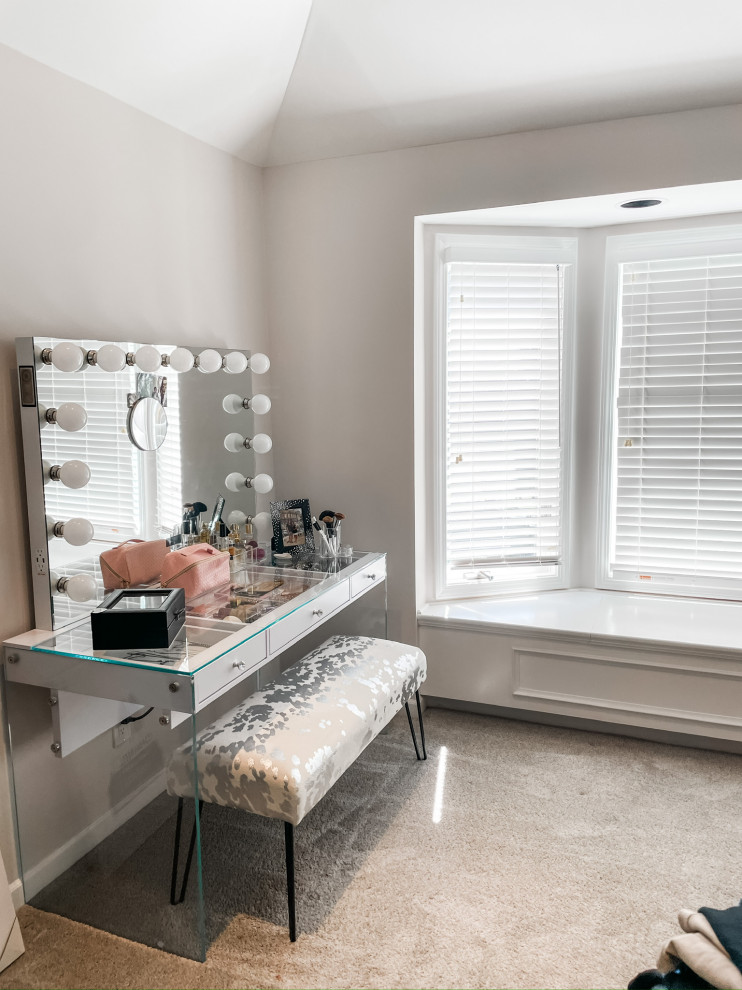
Bedrooms: Make Getting Ready Easier
Your bedroom should support your daily routine—not slow it down. If getting dressed feels frustrating, your space likely needs a reset.
Focus on function first, calm second.
What Belongs Here
- Clothes you actually wear
- Nightstand essentials only (lamp, charger, book)
- Minimal items on surfaces
Adjust for the Season
Your bedroom should support your current routine and the season you’re in. If you didn’t wear it this season or don’t need it right now, it’s likely taking up space without adding value.
Keep:
- Current, in-season clothing
- Everyday sleepwear and accessories
Relocate:
- Off-season clothing
- Items you skipped wearing all season
- Overflow from other areas of the home
Quick Reset Plan
Edit your closet based on what you actually wear, then clear and simplify your nightstand so only essentials remain. Eliminate the “clothes drop zone” and keep only what fits comfortably in your space to make the room easier to maintain.
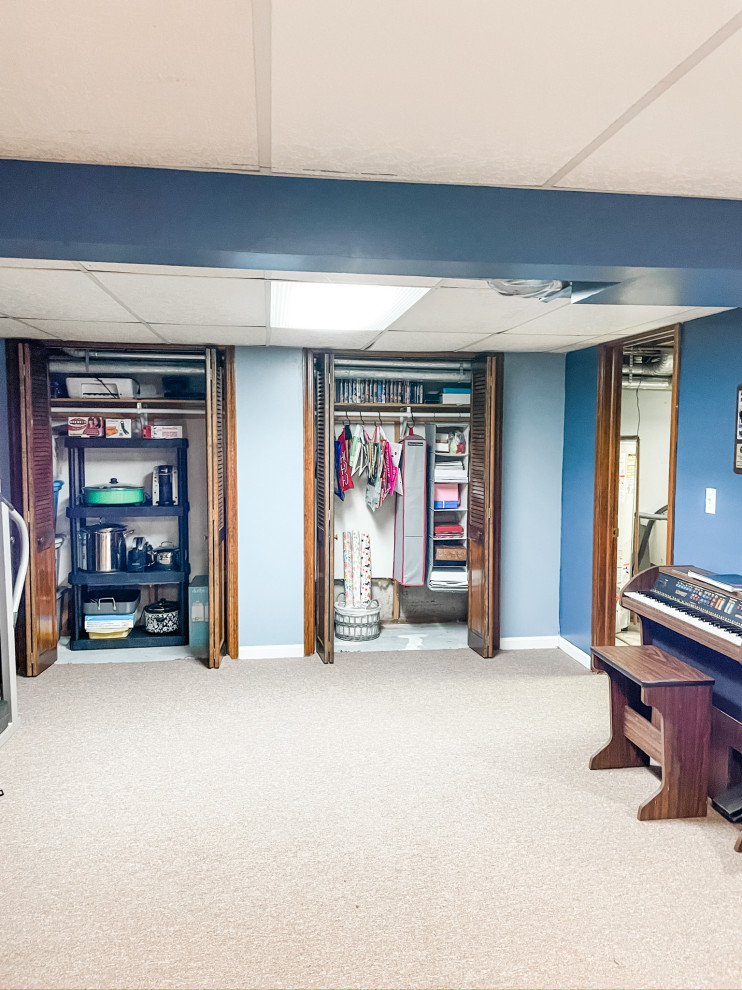
Basement / Storage Areas: Contain the “Later” Items
Buffalo basements tend to become catch-all storage—but that doesn’t mean they have to stay overwhelming.
The goal here isn’t perfection—it’s making things easier to find and manage.
What Belongs Here
- Items you don’t need daily but still use
- Clearly defined categories (holiday decor, keepsakes, etc.)
- Properly stored seasonal items
Adjust for the Season
Storage spaces should work like a rotation system, not a holding zone. What you’ll need in the near future stays accessible—everything else can be stored more intentionally without taking over your everyday spaces.
Keep (accessible):
- Items you’ll use in the next few months
Relocate (deeper storage):
- Off-season bins
- Items you’re keeping but don’t need often
Quick Reset Plan
Start by choosing just one category to focus on so the space doesn’t feel overwhelming, then let go of anything you’ve already mentally moved on from. Group like items together and use simple bins or labels to create easy, functional zones.
Need Help Getting Started? That's Where We Come In
If you’re reading this and thinking, “This all makes sense… but I still don’t know where to start,” you’re not alone.
Most of our clients aren’t lacking motivation—they’re lacking time, energy, or a clear plan. That’s where having a second set of hands (and an objective perspective) can make all the difference.
At Simplify Buffalo, we don’t just declutter—we help you make confident decisions about what stays, create systems that actually work for your home, and see the project all the way through (including removing items you no longer need).
Whether you need help tackling one space or want full support across multiple rooms, we’re there to guide the process and make it feel manageable from start to finish.
If you’re in Buffalo or the surrounding suburbs and ready to make your home feel lighter and more functional, let's get the conversation started! 😊
A Final Thought
Decluttering doesn’t have to be dramatic to be effective.
A few small, intentional resets—done consistently—can completely change how your home feels and functions.
Start with one space, keep it simple, and build from there.
Check out our recent blog post for tips on how to maintain your decluttered home!