
The Tangible Connection: Why Your Brain (and Your Legacy) Crave Printed Photos

We live in a fascinating paradox. We take more photos than any generation in history, yet we often feel more disconnected from our memories than ever before. We are buried under thousands of screenshots, blurry bursts, and accidental pocket photos, often stored on devices we haven't touched in years.
Lately, I’ve been "in the trenches" here in Buffalo, NY, with local clients, rescuing photos from old phones and aging cameras.
Through this process, I’ve realized that the secret to a lasting legacy isn't just about "saving everything."
It’s about a "Meeting of the Minds"—a strategic blend of digital cleanup and physical curation.
The Question: Why Haven't You Done This Yet?
If we know these memories are precious, why do they sit trapped on old hard drives and in overflowing camera rolls?
The answer is simple: It’s exhausting.
Sorting through a decade of digital data is time-consuming, tedious, and emotionally draining. It’s hard to know where to start when you're staring at 20,000 unorganized files.
Most people don't do it because they don't have the hours—or the desire—to spend their weekends staring at a screen, deleting blurry photos of their feet and screenshots of grocery lists.
But when you bridge that gap with a professional process, you move from "tedious" to "transformative." Here is why that shift matters for your brain and your history.
1. The Science of the "Spatial Hook"
Research in cognitive psychology reveals that our brains process physical and digital media through distinct neural pathways.
When you hold a physical photograph, your brain builds a mental map.
Physical: You remember the weight of the album and the texture of the paper. These sensory details act as "hooks" in the hippocampus, making the memory much easier to retrieve later.
Digital: Digital files are essentially "placeless." Because they exist in a never-ending stream on a flat glass screen, the brain lacks those physical markers, often leading to "digital amnesia."
2. The Digital Rescue: Clearing the Noise
The first step in my process is a digital rescue mission.
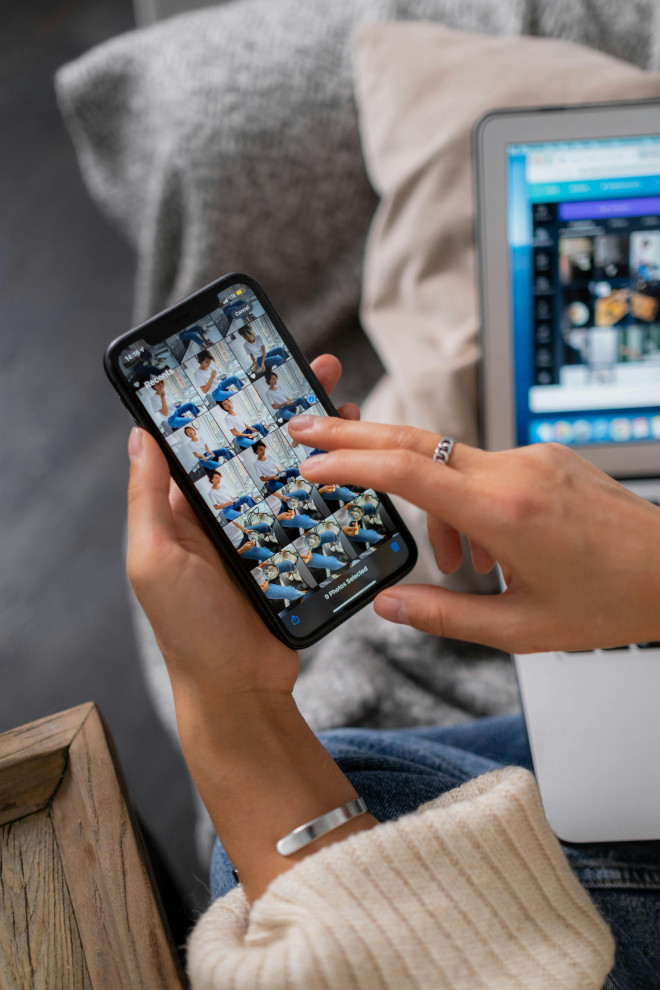
By diving into a phone’s library to clean up and back up data, we aren't just saving gigabytes; we’re performing a cognitive reset.
Reducing Digital Fatigue: By removing blurry duplicates and irrelevant screenshots, we shrink the "digital hoard." When your library is lean, your brain stops feeling overwhelmed.
Surfacing the Gems: When you clear away the noise, the "signal"—those truly beautiful, once-in-a-lifetime shots—finally has room to breathe.
3. Deep Processing vs. The "Scroll Culture"
Our smartphones are high-stimulation environments!
When we look at photos on a screen, our brains are often in shallow processing mode, ready to swipe to the next image or react to a notification.
In contrast, a printed photo encourages deep processing. Without the distraction of a backlight, your brain can settle into a reflective state.
This focus allows you to notice the small details that strengthen the emotional bond to that moment.
4. Longevity: Will Your Grandchildren See These?
There is a common misconception that digital is "forever."
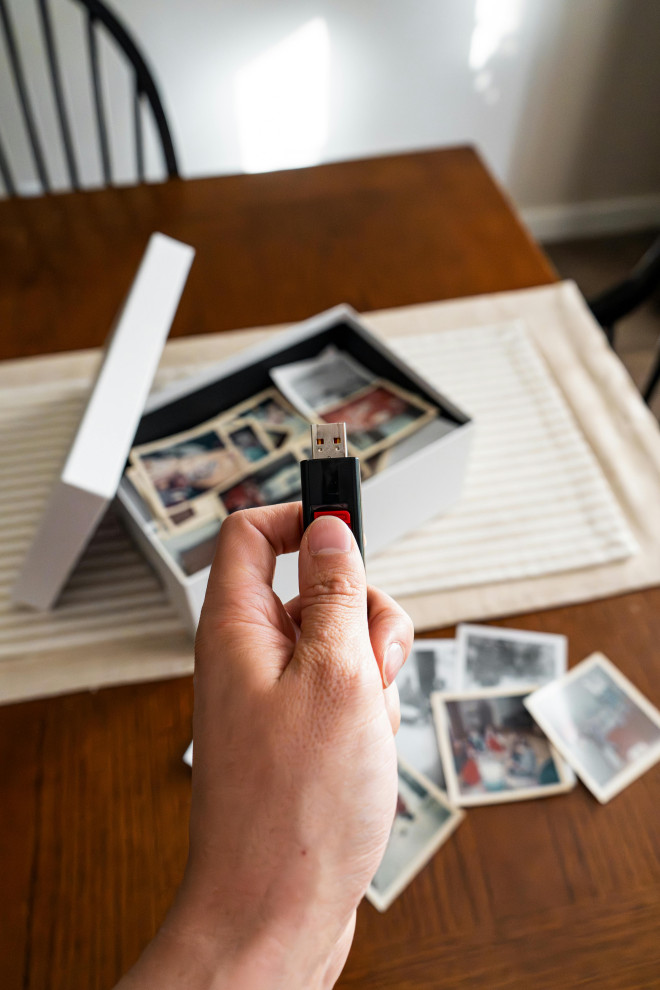
In reality, digital memories are subject to "bit rot," platform changes, and forgotten passwords. A high-quality print, however, can last over 100 years.
It doesn’t require a power cord or a software update; it simply requires someone to open the box.
The Best of Both Worlds
This dual approach—cleaning up the digital data while picking the "best of the best" to print—gives you the ultimate peace of mind.
You end up with a digital library that is lean and searchable and a physical collection that is high-impact and emotionally resonant.
A cleaned-up digital drive is a functional tool; a curated photo album is a family heirloom. By doing both, you aren’t just organizing files; you are ensuring that your story isn’t just stored but actually told.
Is it time to rescue your photos from the depths of your camera roll? Don't let the "tedious" nature of the task stop you from creating a legacy.
Let's start with a 15-minute conversation to explore your options right here in WNY.