
The Real Cost of Clutter: How Disorganization Quietly Wastes Your Time, Money & Sanity
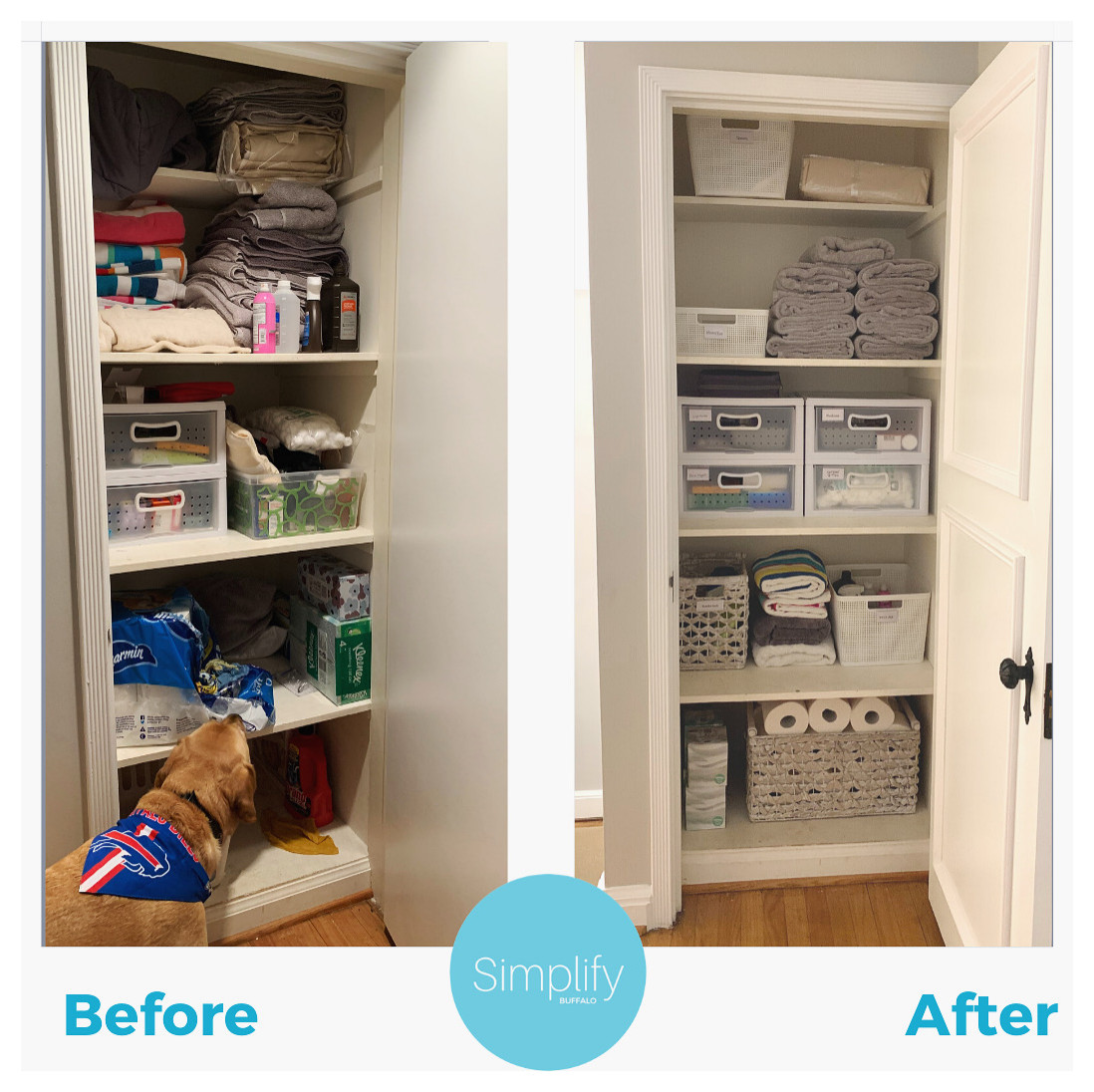
Most people think clutter is a space problem.
They look at the overflowing pantry, the packed garage, the pile of papers on the counter, or the closet they can't close and think, I just need more storage.
But clutter isn't really about space.
It's about what that clutter is costing you every single day.
The true cost of clutter often goes unnoticed because it shows up in small ways—a few minutes here, a duplicate purchase there, a little extra stress at the end of a long day.
Individually, those moments don't seem like much. Over time, though, they accumulate and can have a significant impact on your daily life.
Clutter Costs You Time
One of the highest hidden costs of clutter is the amount of time it steals.
Think about how often you've searched for your child's soccer shin guards, a phone charger, a tape measure, or an important document you know you put somewhere "safe."
When items don't have a consistent home, finding them becomes a recurring task.
The time loss doesn't stop there.
Disorganization creates extra work. You move piles from one surface to another, clean around clutter instead of cleaning the actual space, dig through overstuffed closets, and reorganize the same areas repeatedly.
Many people tell us they feel like they're constantly managing their belongings but never making meaningful progress.
That's because clutter creates work that wouldn't otherwise exist.
Clutter Costs You Money
Most people don't immediately connect clutter with spending money, but the connection is surprisingly strong.
When we're organizing homes, it's common to find expired food hiding in the back of a pantry, duplicate kitchen gadgets, multiple bottles of the same cleaning product, or clothing that was purchased because someone forgot what they already owned.
When you can't easily see what you have, it's much harder to use what you have.
A crowded pantry often leads to wasted groceries. An overstuffed closet can leave you feeling like you have nothing to wear. A packed storage room can convince you that you need to buy something that is already sitting somewhere in your home.
One client recently discovered four unopened bottles of the same cleaning product stored in different locations throughout her house. She wasn't intentionally stockpiling them; she simply couldn't remember where the first bottle was.
Clutter Costs You Mental Energy
Perhaps the highest cost of clutter is the effect it has on your mental well-being.
Even when you're not actively thinking about it, your brain notices unfinished projects and unresolved decisions.
The pile of paperwork on the counter, the donation bag sitting in the hallway, the basement you've been meaning to tackle, or the guest room that has quietly become a storage room all occupy mental space.
Many people describe feeling overwhelmed before they even begin. Others feel guilty every time they walk past a cluttered area.
Some avoid inviting friends over because they're embarrassed by the state of their home. The clutter isn't just taking up physical space; it can create a constant, low-level sense of stress that follows you throughout the day.
Clutter Steals Your Home's Function
One of the most frustrating things about clutter is that it often prevents you from using your home the way it was intended.
Dining rooms become storage rooms. Guest bedrooms become catch-all spaces. Garages become too full to park in.
Playrooms become so crowded that children can barely play in them.
The irony is that many people believe they need a larger home when what they really need is a more functional one.
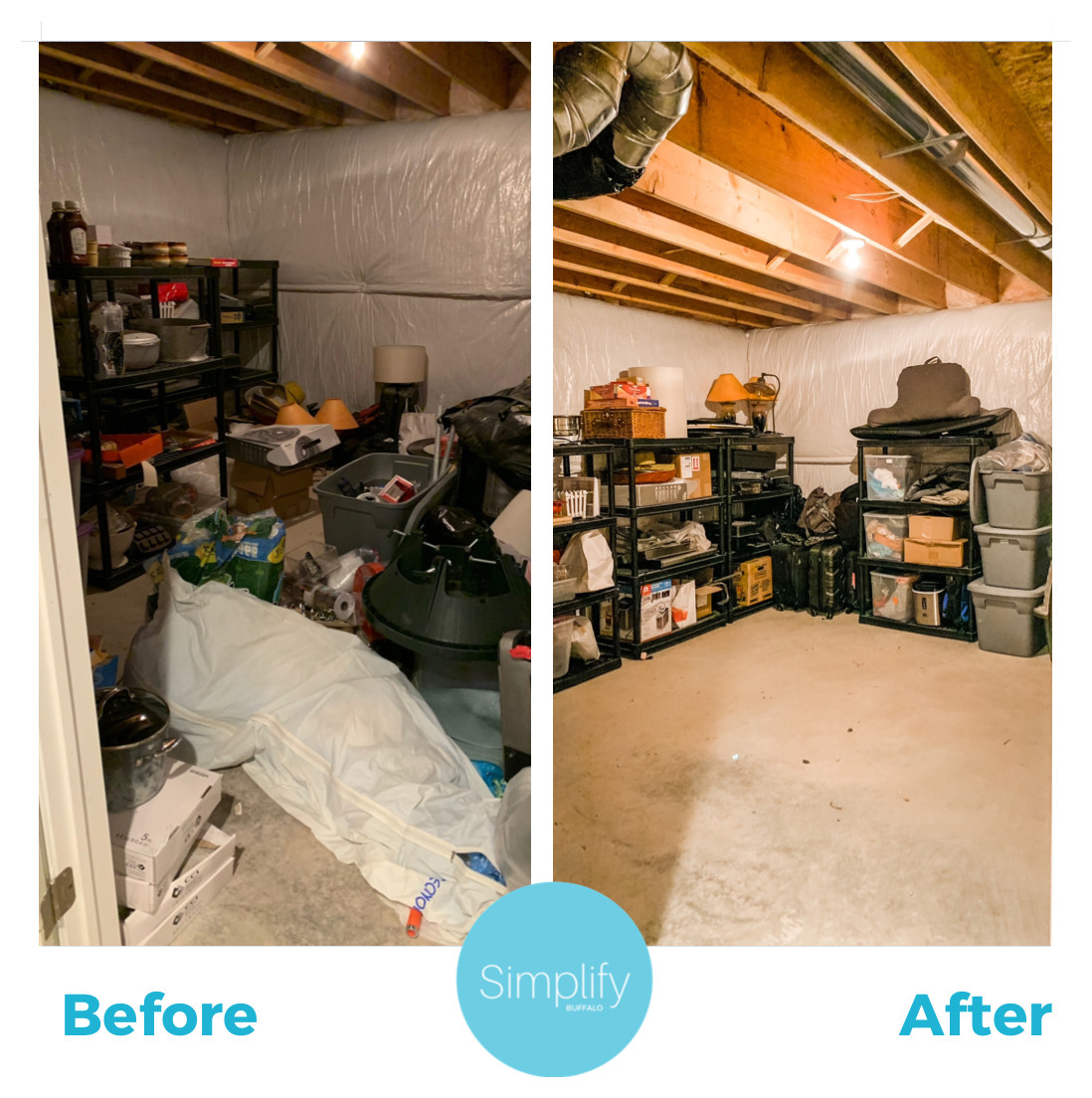
We've seen clients regain entire rooms simply by decluttering, organizing, and creating systems that make sense for the way they actually live.
5 Things You Can Do This Week
If you're feeling the effects of clutter, don't worry about tackling your entire house. Instead, focus on one small improvement that will make daily life easier.
1. Create a home for one frequently lost item.
Choose something you're always searching for—keys, sunglasses, chargers, or scissors—and designate a permanent home for it.
2. Declutter a single shelf.
Skip the marathon organizing session. A pantry shelf, bathroom shelf, or closet shelf is enough to create momentum.
3. Gather like items together.
If batteries, gift wrap, light bulbs, or cleaning supplies are stored in multiple locations, consolidate them. Visibility helps prevent duplicate purchases.
4. Set a 10-minute timer.
If you've been following along with our newsletter, you've likely seen our monthly "10-Minute Power Projects" (and if you'd like to join us, click here!).
The reason we love these quick projects is that they work. Most people underestimate the amount of progress they can make in a focused 10-minute session. A small amount of effort, repeated consistently, can have a surprisingly big impact on your home over time.
5. Fill one donation bag.
Don't overthink it. Look for the items you already know you're not using and let those go first.
The Bottom Line
Clutter has a way of charging hidden fees. A few extra minutes looking for things. Another duplicate purchase. A little more stress every time you walk into an overstuffed room.
You don't have to tackle everything at once. Start with one space that's causing the most frustration and focus on making it work better for your real life.
Because an organized home isn't about having less stuff or making things look perfect—it's about creating a home that gives you back time, reduces stress, and makes daily life easier.